

Car Covers
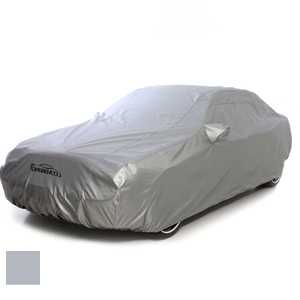
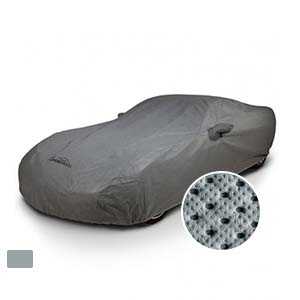
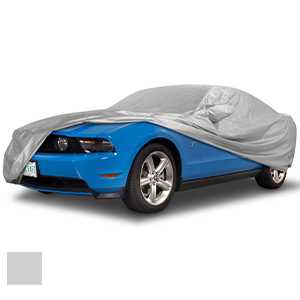
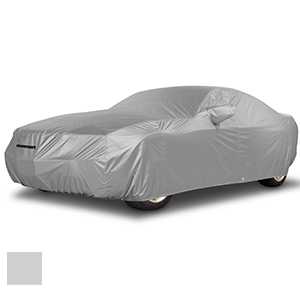


Car Covers Guide to Discovering the Best Car Cover
The History and Advancement of the Car Cover Industry
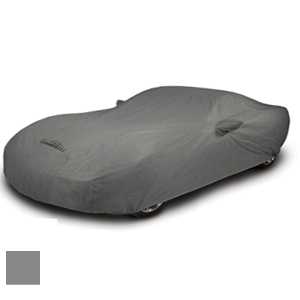
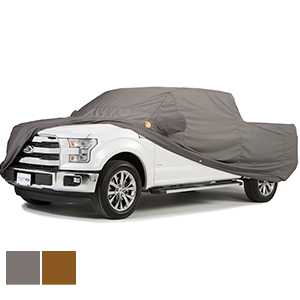
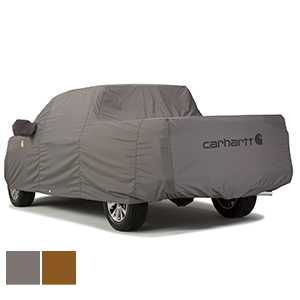
Custom car and truck covers have taken automotive enthusiasts by storm in the last decade for not only protecting vehicles from harsh outdoor weather elements, indoor factors, and theft deterrents, but also by adding a stylish accessory to their automotive line-ups. When automoible covers were first produced by Covercraft nearly 50 years ago, they were available in a single gray color and available only at large retailers such as Walmart and Autozone, and were only offered only as a general universal style fit. Times have certainly changed and both Covercraft and Coverking now produce dozens of highly specialized, premium fabrics that are custom-tailored to your vehicle's exact specifications. The result is a quality, beautiful cover, constructed with a high-performance fabric that has the ability to shield your vehicle from just about anything from UV/sun damage, rain, dust and dirt, to harsh winter weather conditions such as snow, hail, and even your own kids!
No garage, no problem! Not everyone has a garage, and auto covers are truly the next best thing for extending the life of your vehicle, as well as limiting the number of trips you take to the car wash. The great thing about the evolution of this industry is that they just keep getting better. These industry giants are the undisputed leaders in the field and have not stopped innovating their fabrics, patterns, or processes to produce the very best car covers. The fabrics and materials used by these Covercraft are truly are top shelf; cheap, mass-produced imported products just don't stack up in materials or fitment. Our auto covers are custom-made to fit your vehicle, budget, and outdoor/indoor needs. Each one is as unique as your individual situation and with so many choices, we are certain you will find the perfect one!
The Best Car Covers
So Many Choices - I'm Overwhelmed!
Choosing the right cover for your vehicle can quickly become overwhelming. When searching the web, you'll find that the majority of websites are selling cheap car covers, generally inexpensive. Then you also find websites that look completely different, with more expensive products. I'm here to break it down to the ridiculous for you and make your shopping easy. Here’s the truth, uncensored!
The Inequity of Car Covers
Any website selling less then 4 covers on their website is not selling a quality, USA made product like you’ll find here on our site. Those websites are selling inexpensive covers that have been imported from China and are then sold in large quantities online through Ebay and Amazon, as well as Walmart and Autozone. These products are inferior to the Made in the USA alternative and here’s why:
First, they are not custom car and truck covers that hug and snug every line and curve of your vehicle, instead, they are generic/universal-fit and most times they do not fit the vehicle very well, if at all. Secondly, they are not made from premium fabrics, instead, they are made from inferior materials like polypropylene and PEVA materials. Translation: plastic. (plastic on my vehicle? Hmm maybe not the best choice for my 2017 corvette…).
Custom Car Covers vs. Universal Covers
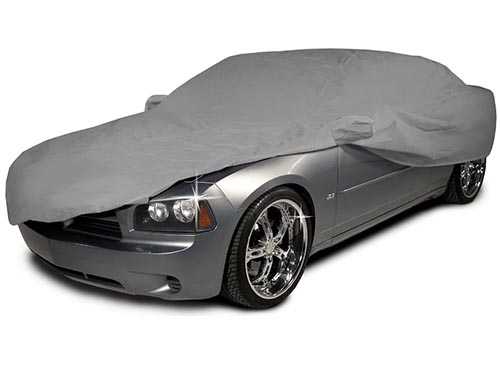
Universal, often times called “Semi-Custom”, on the other hand, is designed to fit numerous vehicles that fall into a general size and shape category. These covers are not custom made to order and are the ones you find at most large retailers and websites unlike ours (the websites selling only 4 products). There is quite a bit of difference between the 2 fitments in both style and performance. Let's look at differences.Custom covers are just what they sound like – they’re covers that are tailored for your specific vehicle. We have over 80,000 patterns that are expertly designed to hug every contour of a vehicle, providing a perfect fit every time. So whether you have a classic 1966 Mustang convertible you’ve been babying since your high school graduation, or the brand new 2019 Corvette Z06, we’ve got pattern just for your vehicle.
Syles, Color, and Fabrics
How do I know if the website I’m shopping at is selling a quality cover or cheap imported one? Websites like ours that have a selection of vehicle covers available in a wide variety of styles, colors, and fabrics is likely selling the latest and greatest in exterior vehicle protection, from quality manufacturer's such as Coverking. Now you’ve found the best car covers! These are the real-deal, quality, made-in-the-USA covers that you should be shopping for. Here’s where you’ll find that quality car cover for your shiny new black 5-series BMW that's cozied up in your garage.
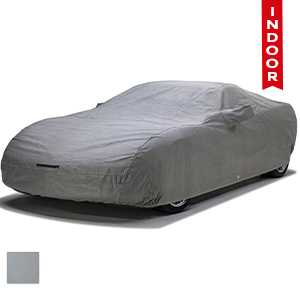
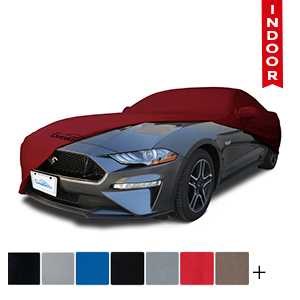
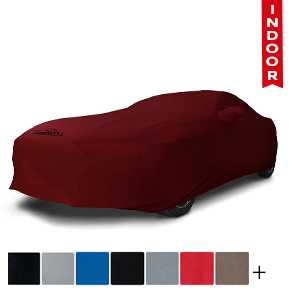
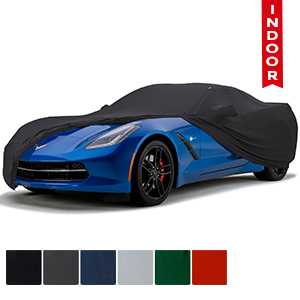
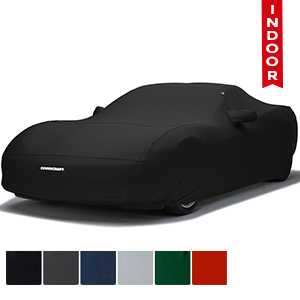
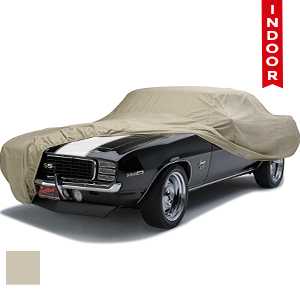
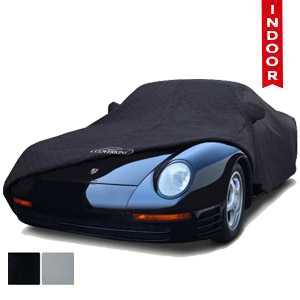
Now if your baby's parking indoor only, that makes shopping for car covers online a breeze. Our line of indoor covers has everything from the 5-Layer Softback Indoor by Covercraft, to the illustrious Satin Stretch by Coverking with its lightweight design and satin fleece material combination. The Satin Stretch® is a Car Cover World top pick and an exceptionally soft car cover. However, if you're like the majority of car enthusiasts and garage space is at a premium, here's how to decide what the best outdoor cover is for you:
Lightweight versus Heavyweight Covers
Do you want a thick material to protect from dents and dings? Or you’d prefer a lightweight fabric that you can take on and off daily without too much effort? Consider both options:
Heavyweight Covers
Well nothing can stand up to the wrath of Mother Nature’s fury and golf ball sized hail so we can’t promise a 100% hailproof car cover, but we can definitely help give you a fighting chance with our best car covers for hail protection, as well as a range of outdoor elements including rain, snow, winter weather, and debris from trees including pollen and sap.
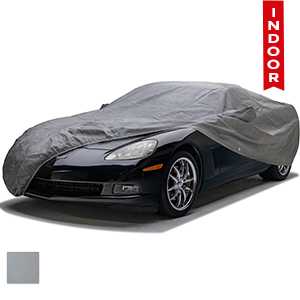
For hail protection in a car cover, you’ll want to choose a car cover that's got some ding and dent protection. We recommend the Covercraft 5-Layer All-Climate cover or the Mosom Plus by Coverking. Both of these covers offer multi-layer protection which is great for light hail, dings, dents, kids, bikes, balls, garage hazards or you name it!
Price? Won't break the bank. Both are quality mid-priced covers that will give your vehicle 4-season, all weather protection.
Covercraft 5-Layer All-Climate cover – a Closer Look
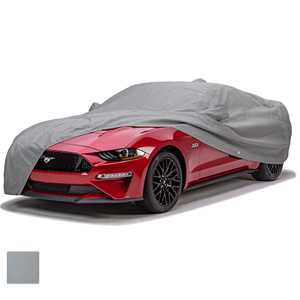
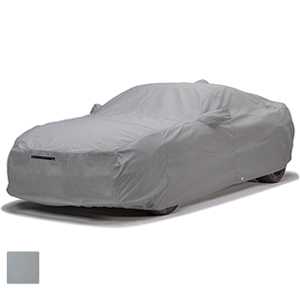
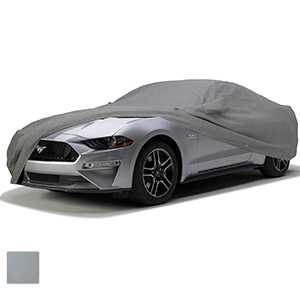
You just purchased your dream car, a 1965 Ford Mustang, wow! But she has to sit outside since the wife won’t give you a spot in the garage. The paint is flawless and its everything you’ve dreamed of and more. Since the 5-Layer cover is one of the thickest covers we sell, it is equipped with superior ding and dent protection. At almost twice the weight of a lightweight alternative, it is the ultimate in long-term protection. This cover was developed for all-weather and long-term storage. It can also handle intense sun for long periods of time. This is a great choice for the car that you’ve dreamed of since high-school. The 5-Layer is a high-performance, non-woven fabric. With a soft, paint-protecting inner lining it is sure to pamper your freshly buffed paint job.
Lightweight Covers
Now if thickness isn't your thing and you're wanting something lightweight and easy to manage, we’ve got that too. Now you've stepped into the next generation of custom covers- lightweight high-performance fabrics. The new technology are woven fabrics, smooth to the touch, with all the same protection benefits of thicker covers, but with none of the bulk. Who needs extra baggage these days? The Covercraft Ultratect® or the Covercraft Weathershield HP® are our top picks for the best all-around weatherproof product. These two covers do it all. They are a little more expensive than their bulky counterparts, but we can’t say enough great things about the ease of installation and removal, wash at home features, and superior dry time following a heavy down pour.
Weathershield HP®- a Closer Look
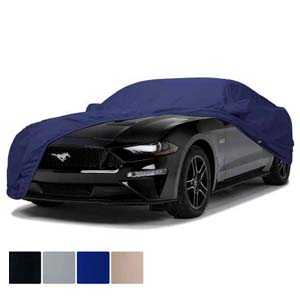
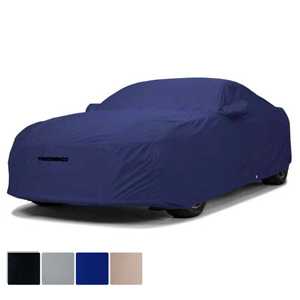
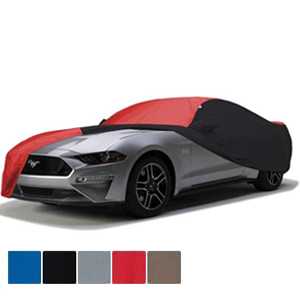
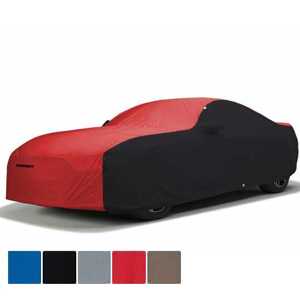
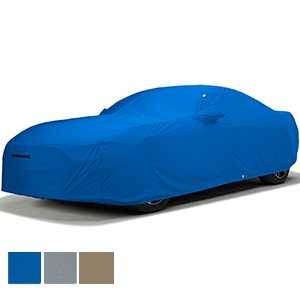
Without a doubt, this is one of the best covers in the lightweight cover category. When it comes to conditions such as rain, snow, dirt and dust, it is a homerun. It also comes in a variety of premium solution-dyed fabrics to resist fading. This cover boasts dramatic rain protection as well as high breathability and quick drying time, allowing the vehicle to dry faster when it gets caught in a shower. This fabric is also one of the best when it comes to UV resistance for sunny climates like California and Florida. It is sure to keep the interior cool for when you are ready to go for that weekend spin. This cover comes with a 4-year Warranty and is available in a range of eye catching colors include the ever-popular bright blue as well as a two-color design.
Waterproof vs. Breathable Car Covers
In today’s modern age, we are information overloaded. Just google anything on your mind, hot air balloons, car seat covers, heck you can google a plate of fried chicken to find out the calories in it. There isn’t anything you can’t find out on google. Except one thing. The good and the bad of waterproof car covers! Due to the saturation of Chinese imported covers that are ‘waterproof’ and cost a fraction of what an American made cover costs, customers flock to them because of their cheap price tag and tempting 50% off discount. They might have the best price for a car cover, but is it worth saving a nickel on a cheaper product or pony up the extra cash to get a premium American made product that won’t damage my paint?. We report, you decide.
The majority of imported covers available today are selling a 100% waterproof car cover. These imported products are mostly all waterproof which does not allow your car to breath. Its creates what we call the 'greenhouse effect', trapping moisture and heat and not allowing your car to breathe. So while you may be protecting the vehicle from what comes from the sky, you are not protecting it from what comes from the ground. Say what? After a rain, think about how steamy the ground is. That moisture is eventually going to release from the ground and the evaporation process is going to begin. But what happens when it comes up from underneath your vehicle that has a waterproof cover on it? That right, that moisture cannot evaporate or escape because a waterproof fabric is not breathable, so it pulls on your car’s hood. So what happens when water sits unattended for a period of time? Well unfortunately your waterproof cover just ruined your paint (and your day) because it left behind white spots on the paint that may or may not be permanent. Ouch.
Fortunately, this doesn’t have to be your fate. Any cover that is made in the USA is not designed to keep water off your car. That’s right! We drive our cars in the rain, we wash our cars with water, and water in itself, will not damage your car. What a custom fit cover is designed to do is allow water to pass both ways, by filtering out acid rain, fine dust and dirt particles, pollen, tree sap, bird droppings, and more, which are the real culprits in causing damage to your vehicles’ exterior. Once the rain stops and the sun shines again, your new custom cover is able to dry out completely from bottom to top, keeping that fine piece of automotive artwork underneath it protected, and free of moisture, mildew, build-up, and white spots on the clear coat. Now this doesn’t mean that the custom alternative is not water resistant. Quite the contrary. The Weathershield HD, HP, Noah, and Autobody Armor are highly water-resistant, breathable covers. Water will bead up and roll right off all of those covers. However, in a soaking rain, even the most water resistant cover is designed to get wet so it can dry out completely, protecting your baby!
HOW MUCH DOES A CAR COVER COST?
Just like colors, styles and fabrics, the cost of a car cover can vary just as much as the options available to you. What we can promise you is that there is a cover that will suit your style, protection requirements and your budget. If you’re not sure where to buy a car cover from, well of course Car Cover World is the place! We are so much different then car covers at Walmart or Amazon and we look forward to showing you great service and a great product! Give us a call and we’ll be happy to guide you through the process of buying your new cover. Check out our car cover reviews and see what our customers have to say about us.